


Jan10

DIY Dog Kennel Plans


    Things To Know When Choosing Dog Kennel Plans

    Having trouble finding that perfect doghouse in the stores?  Why not get a set of Dog Kennel Plans and build your dog exactly what you want and what he needs.  Whether you buy a pre-built doghouse or you are going to build one, there are a few things you need to know in choosing the perfect doghouse for your pet.

    Probably the most important factor is the weather and climate where you live.  If you are in a warm climate, you will want to build your doghouse larger than your dog actually needs for ventilation.  You can also  extend the roof out around all sides to add additional shade which will help keep him cooler.  When choosing your Dog Kennel Plans, try to find one that has roof extended over the front to provide shade like a porch would.

    If you are in a cold climate you will want to insulate the walls and add a doggie door to the entrance of the doghouse.  You also only want to build it big enough for your dog to move around comfortably, this will help him keep warm with his own body heat.

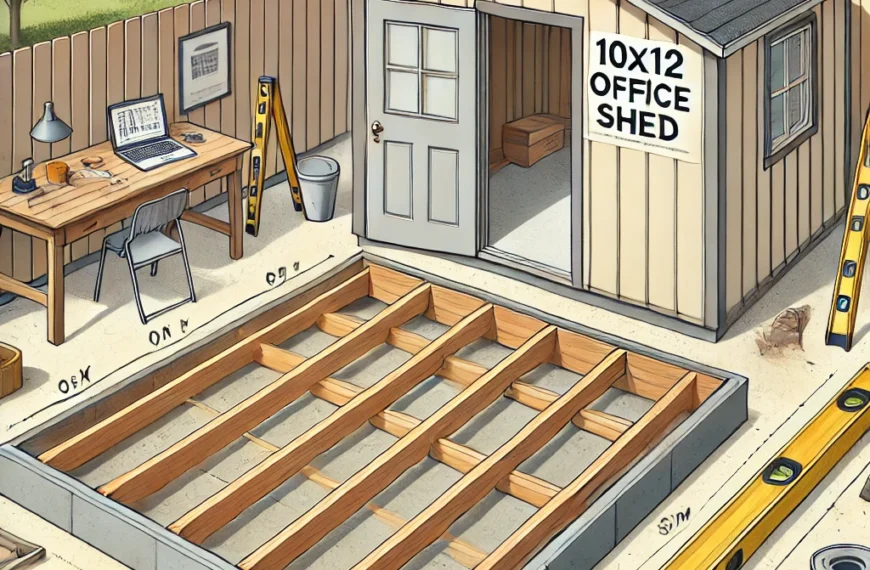
    No matter if you live in a warm or cold climate, you want to get the doghouse off the ground.  Putting it on cinder blocks is a great way to do this.  This will help keep him dry on those rainy days and extend the life of your dog house.

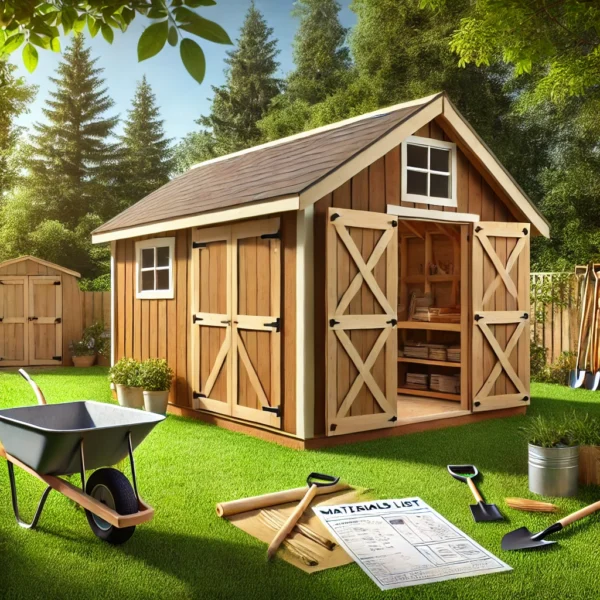
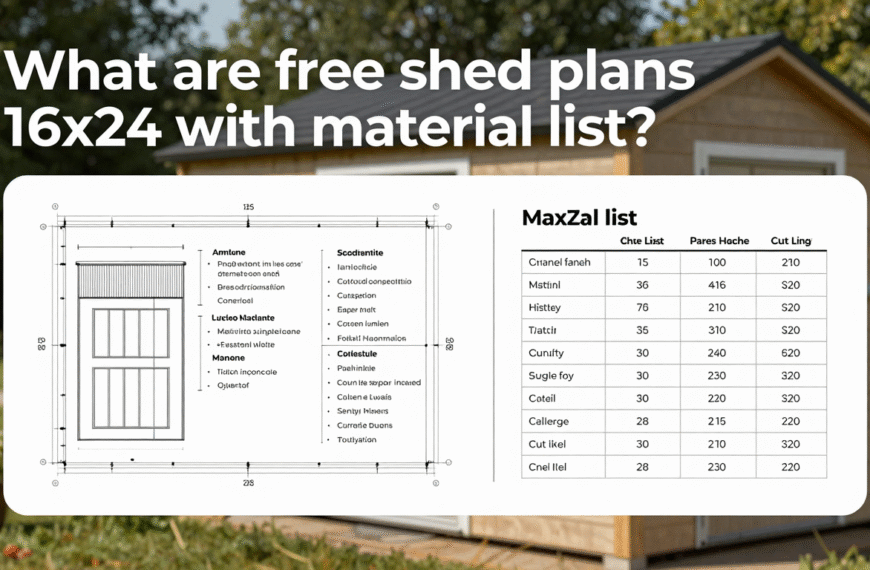
    A good set of Dog Kennel Plans will come with a complete material list, cut sheets and step by step instructions.  So even if this is your first woodworking project, you will have no trouble building your dog the perfect doghouse.

    IMPORTANT:  Never use pressure treated wood on any exposed area of your doghouse.  Pressure treated wood has chemicals injected into it and if your dog is a chewer, it could be harmful to his health.  However, you can use it as the framework to your dog kennel as long as it is covered with non-treated wood.

    Reblog this post [with Zemanta]

    Tags: , , , , , , , , ,

    • Digg
    • Del.icio.us
    • StumbleUpon
    • Reddit
    • Twitter
    • RSS
    Jul25

    Workshop Plans “101″

    Workshop Plans – The Basics

    A workshop is basically a building or room which provides the area and tools (or machinery) that may be required for the manufacture or repair of manufactured goods.
    In transport industries, workshops could mean something different from garages primarily used for storage, servicing and minor repairs.
    In education, the word workshop refers to a brief intensive course, a seminar, a panel discussion or a series of meetings planned to emphasize interaction and exchange information among a small number of participants.
    In the process of development of organizations, concepts, products or services, workshops would mean meetings in which groups apply methodologies and practices for problem analysis or decision making. This is done in order to cooperatively achieve a result.

    Every woodworker would love to have a larger workshop. However, each woodworker faces unique challenges when laying out their own wood shop. It is important to make the most out of the space available whether you begin with a basement, garage or dedicated building.
    While power tools and woodworking machinery are the heart of the wood shop, there are a number of other accessories that can assist you in building your woodworking projects. The following 7 items can be of great use in your shop:
    1. Basic Cabinetry: The basic cabinet can store a considerable amount of items and can be easily adapted for use in the kitchen, bath or wherever you want.
    2. Portable Shop Table: A woodworker will always need more table space. A full size portable workshop table can be moved around on built-in, retractable rollers and the legs drop onto the floor to keep the table from moving when you’re working on a project.
    3. Classic Wooden Toolbox: This is always required by a woodworker to carry tools to and fro from the job site.
    4. Feather boards: The process of cutting some narrower pieces of stock on a table saw or router table are made much safer and simpler with the use of a feather board.
    5. Ultimate Wood Sawhorses: It is necessary to have a sturdy set of sawhorses whether working inside in the wood shop, outside or on a job site.
    6. Portable Miter Saw Stand: The compound miter saw is used for cross-cutting compound angles. A good compound miter saw is heavy and when working outside the wood shop, it is necessary to have a portable stand.
    7. Band Saw Circle Cutting Jig: A number of times it is required to cut stock into circular shapes. This can be done best with the use of a band saw circle cutting jig.

    You always want to make sure you have a clear and thoughout plan of what you want in your workshop, it will make it easier to choose the perfect Workshop Plans for your needs.

    • Digg
    • Del.icio.us
    • StumbleUpon
    • Reddit
    • Twitter
    • RSS
     Page 1 of 34  1  2  3  4  5 » ...  Last »